Feeling the Vibe: Why Haptic Feedback is the Next Frontier for E-Ink Fashion
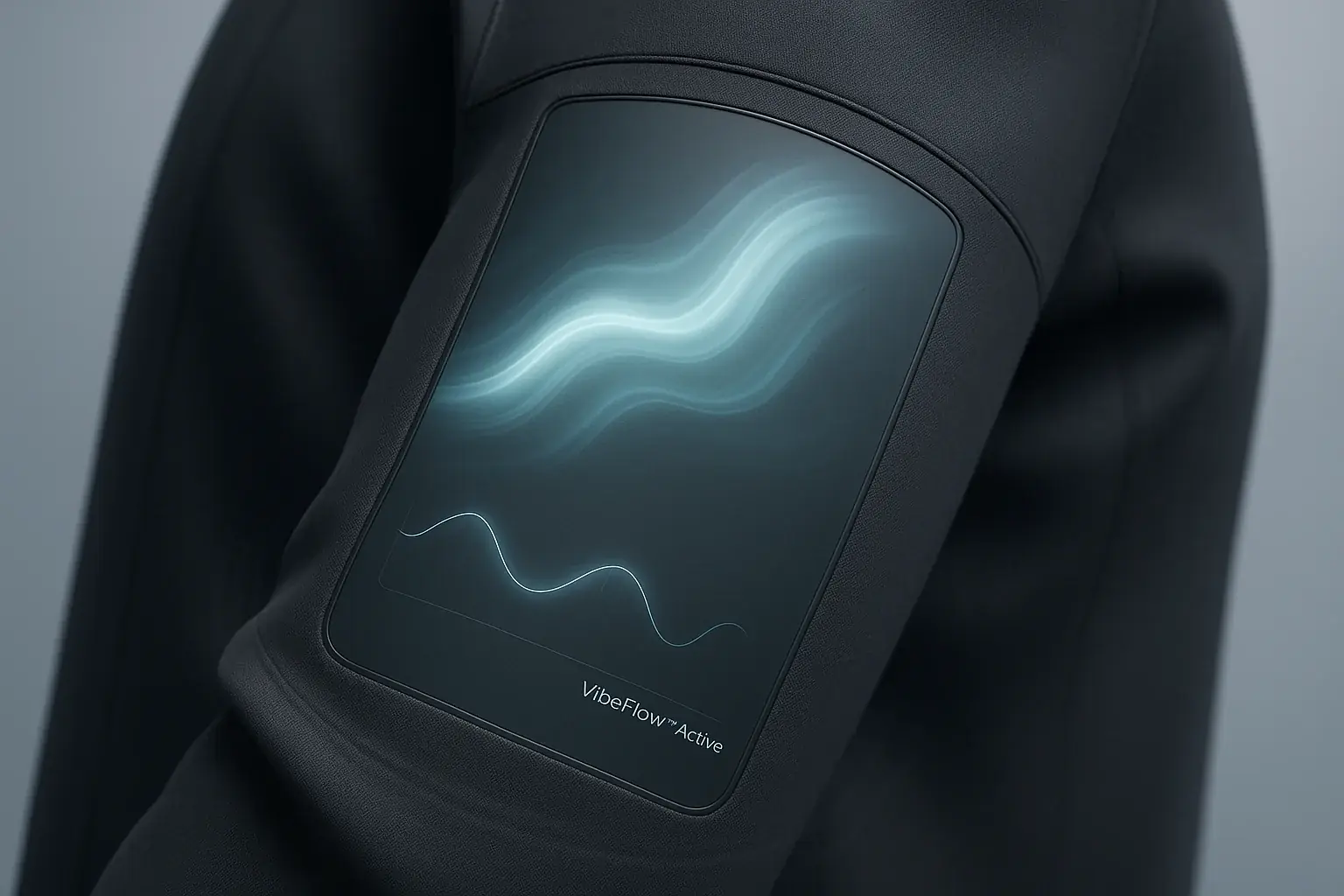
Visual fashion powerfully communicates. Yet, purely visual expression has limits. What if your VibeWear could do more than just show your mood—what if you could feel it? Haptic feedback is that exhilarating next step. It is the missing piece for deeply immersive clothing, adding a profound new dimension of interaction beyond what E-Ink alone provides.
Human connection thrives on multiple senses. Imagine your E-Ink garment shifting pattern while you also feel a synchronized, subtle pulse. This fusion of visual and tactile creates far richer, more nuanced communication. It is like moving from a silent movie to a full cinematic experience; you get the picture, but now you also feel the rumble. This capability expands VibeWear beyond display into genuine interaction.
Here is an unspoken truth: human communication is profoundly multisensory. We experience our world through sight, sound, and crucially, touch. For VibeWear to genuinely become an extension of your self-expression, it must tap into more than just vision. Integrating haptic feedback acknowledges this core human reality. This tactile dimension elevates fashion, setting a new stage for exploring how we connect and express.
How Your Clothes Can 'Feel': The Mechanics of Haptic Technology in Wearables
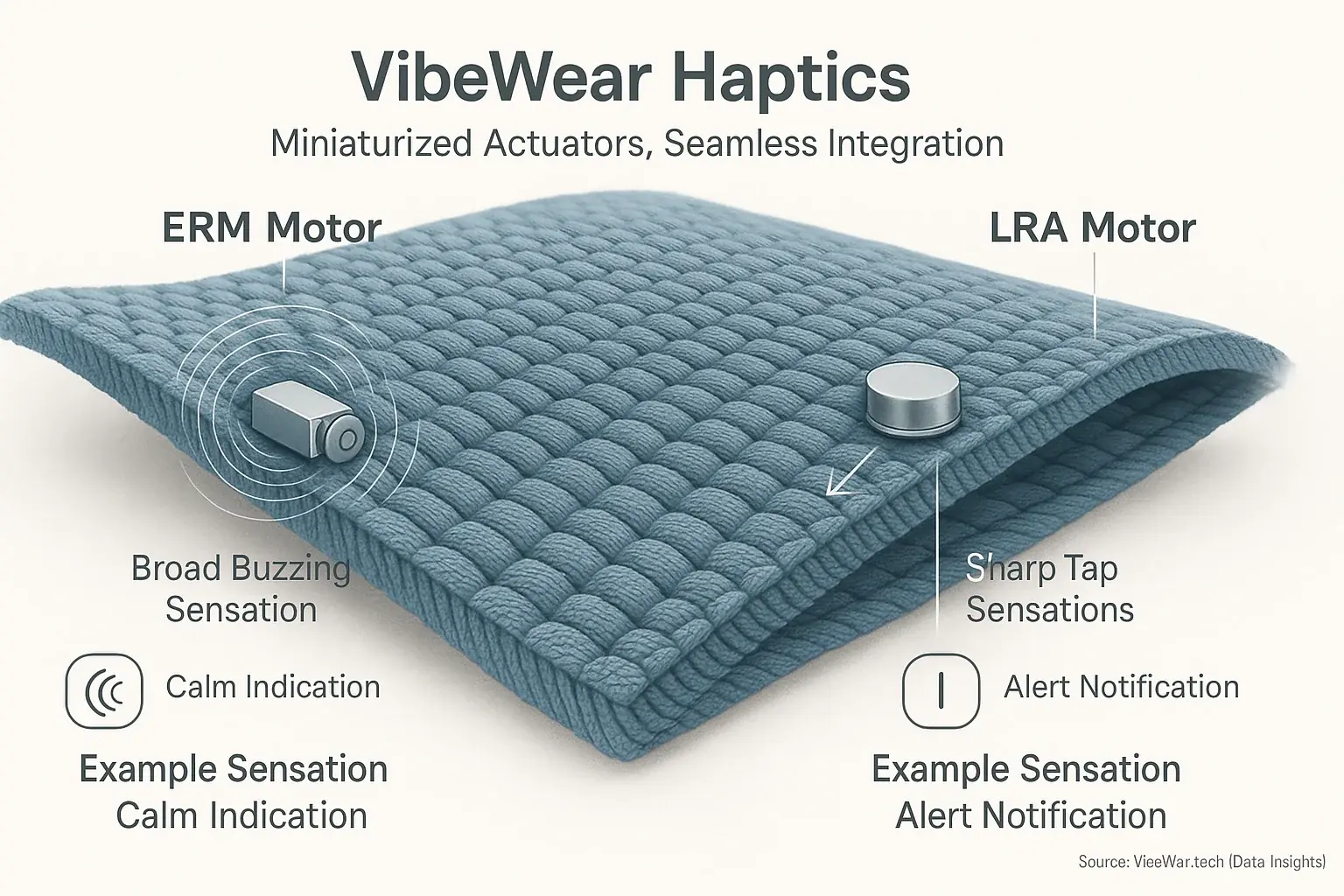
Haptic feedback creates physical sensations. Your skin feels it. Small actuators achieve this translation from digital signals. Eccentric Rotating Mass (ERM) motors mean buzzing. Linear Resonant Actuators (LRAs) deliver sharper taps.
Haptic actuators integrate discreetly into fabric. Comfort and near-invisibility are key design goals. Forget bulky motors. Think tiny elements woven into your garment. Strategic placement delivers specific tactile sensations, like a shoulder tap or gentle wrist pulse.
Haptic patterns communicate diverse meanings. A simple vibration can convey complex information or suggest emotion. A quick tap might signal an alert. A slow pulse could imply calm. Pattern and intensity are fundamental, defining the message your body feels.
The Multisensory Symphony: How Haptics & E-Ink Create a Richer Vibe
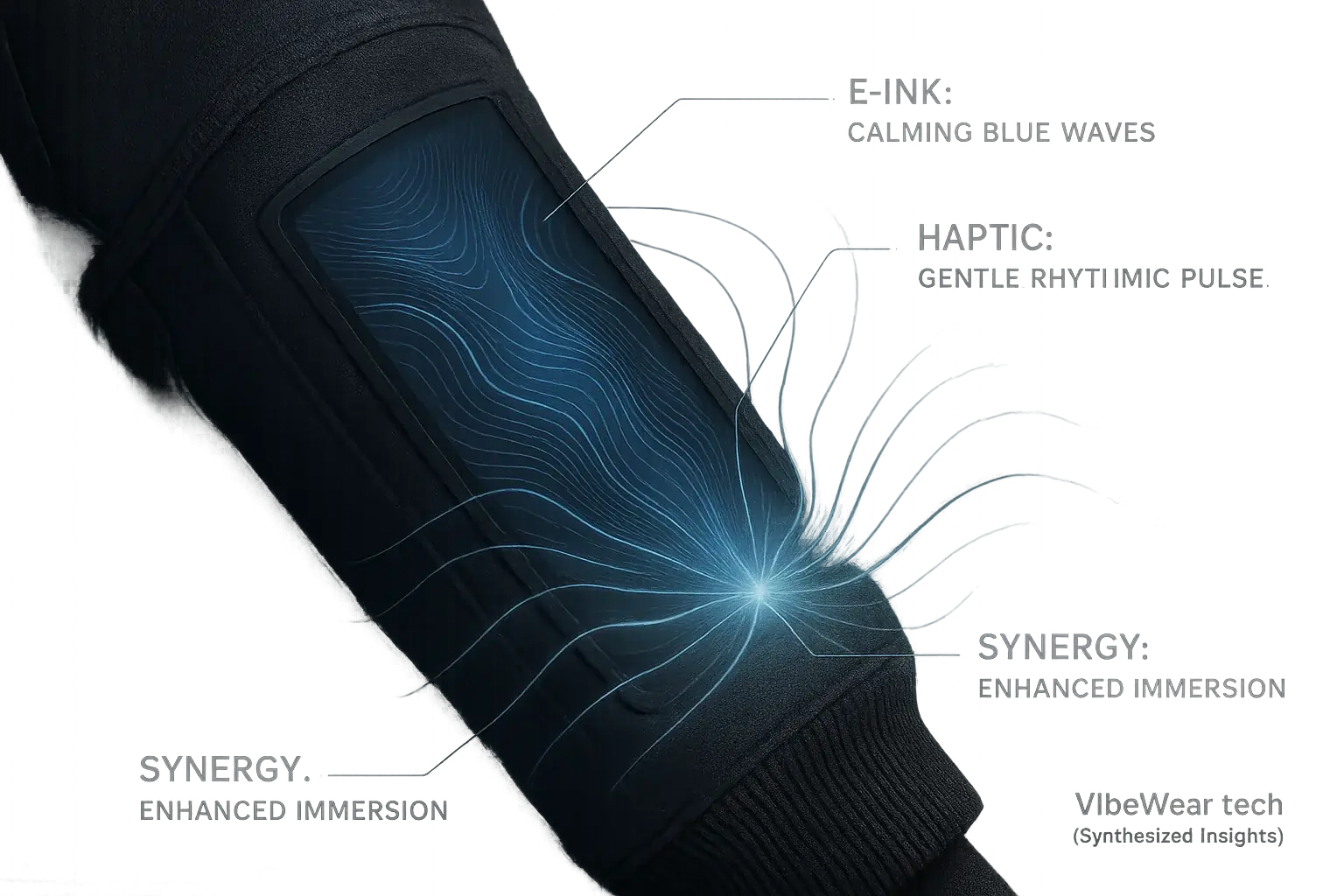
Imagine your E-Ink display shifts to calming blue. Simultaneously, you feel a gentle, rhythmic pulse on your wrist. This multisensory combination creates a far more immersive experience. It is profoundly impactful. Visuals or haptics alone offer less. Engaging more senses deepens connection. True immersion demands this synergy.
Wearers often report a visual notification on their sleeve is one thing. A paired subtle vibration truly grabs their attention. This occurs without unwelcome intrusion. It feels like a secret handshake. Garment. User. This combined input fosters intuitive understanding. An immediate response can follow.
A vibrant, energetic E-Ink pattern gains immense power. A subtle, quick vibration amplifies its visual message. Your excitement broadcasts authentically. Conversely, a soft, fading E-Ink display might pair with a gentle, dissipating haptic cue. This synergy creates a richer, more nuanced language. Your VibeWear then speaks volumes.
Beyond Notifications: Real-World Applications of Haptic-Enhanced VibeWear
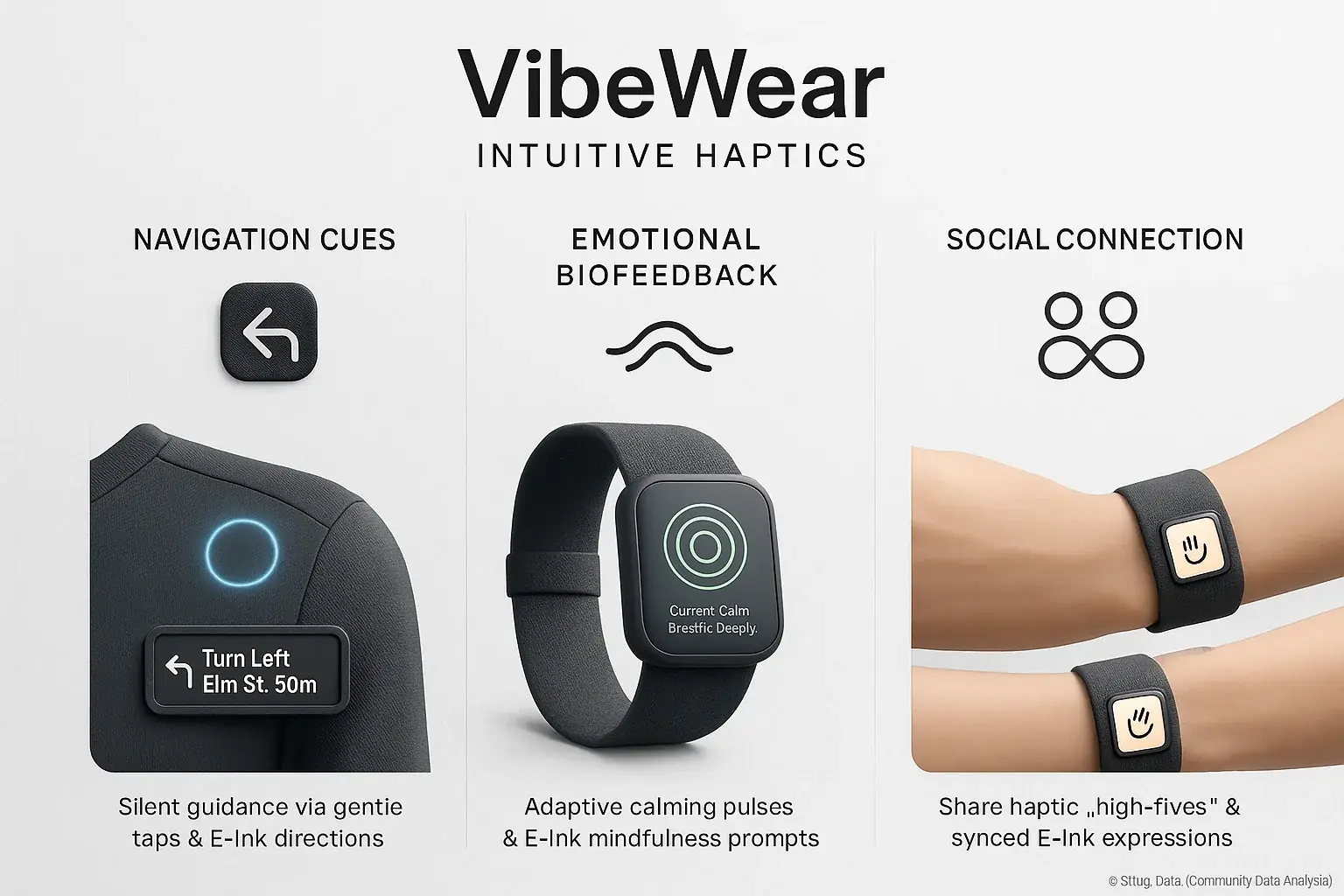
Haptics in VibeWear extend far beyond simple alerts. Your clothing can become a silent guide. It can be a subtle communicator. It might even act as a personal therapist. This potential unlocks a world of practical, responsive applications. These applications integrate directly into daily life.
VibeWear's ongoing research into conceptual user needs points to several exciting haptic uses. We see these as truly valuable enhancements:
- Subtle Navigation Cues: Imagine a gentle tap on your left shoulder. This tap subtly guides you through a busy city street. Your E-Ink display shows the next turn. No need to stare at your phone! Users could experience city exploration with newfound freedom.
- Emotional Biofeedback: When stress levels rise, your VibeWear might emit a slow, calming pulse. A tranquil E-Ink pattern accompanies this pulse. It gently reminds you to breathe. Many could find this a powerful self-regulation tool, a quiet partner in mindfulness.
- Enhanced Social Interaction: A friend wearing compatible VibeWear could send a 'high-five' vibration. Their shared 'happy' E-Ink pattern might mirror as a gentle, shared pulse on your garment. It's a new layer of non-verbal connection, fostering a subtle sense of presence.
- Gaming Immersion: Feel an in-game explosion's rumble directly on your clothes. Sense the subtle rustle of nearby enemies. This creates a truly immersive gaming experience. It goes beyond traditional controllers, pulling you deeper into the virtual world.
These applications are not mere tech gimmicks. They aim to make daily interactions more intuitive. They also make them less intrusive. Our connection with the world can become smoother. Our interactions with each other can deepen. How might these haptic cues transform your daily routine?
The future holds even more. Consider therapeutic uses for chronic pain management, offering gentle, targeted relief. Think about accessibility aids, assisting individuals with sensory impairments through tactile information. VibeWear is actively exploring these frontiers. The journey of haptic integration is just beginning.
The Road Ahead: Challenges and Future of Haptic Integration in Wearables
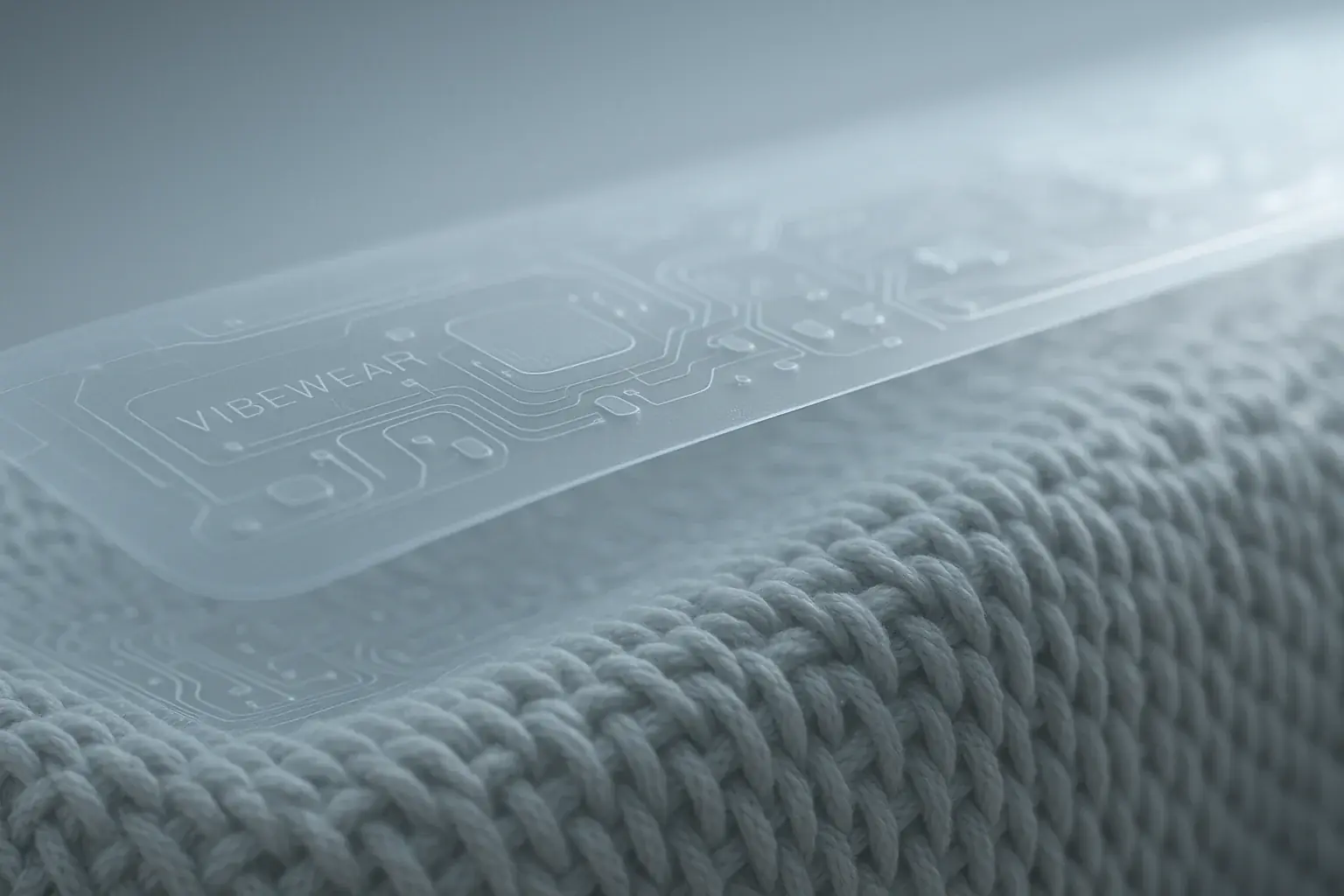
The vision of multisensory fashion truly thrills. Haptic feedback promises deeper connection. Yet, the path to seamless haptic integration in VibeWear is not smooth. Real hurdles exist. Power consumption poses a significant barrier for all-day use. Durability under daily stress is another major concern. Comfort cannot be compromised; wearables must feel good. These are practical realities we must address.
- Power Efficiency: Haptic actuators, especially for continuous feedback, can drain batteries quickly. Our analysis shows users demand longevity. They will not tolerate charging their shirt as often as their phone. This is a critical design constraint.
- Durability & Washability: Tiny motors and circuits need to survive. They face countless washes. Everyday wear-and-tear tests their limits. This presents a huge engineering puzzle for reliable VibeWear. Mechanical stress resistance is paramount.
- Comfort & Discreteness: Nobody wants a bulky or itchy garment. Haptic elements must be virtually unnoticeable until activated. They must blend seamlessly into the fabric. Miniaturization is key. The feel is everything.
- Cost of Integration: Adding haptic layers increases manufacturing complexity. This directly impacts final VibeWear cost. Accessibility for a wider audience becomes a challenge. We must explore cost-effective solutions.
But innovators are tackling these challenges head-on. Material science advances offer hope. Researchers explore ultra-low-power haptics. These could drastically improve battery life. Flexible and stretchable actuators are emerging. They promise better comfort and integration. Advanced textile integration methods aim for true seamlessness. The future involves smarter power management. Can these advancements overcome current limitations?
Overcoming these technical hurdles is essential for widespread adoption. VibeWear envisions a future where haptic feedback is standard. This requires persistent innovation. Solving power, durability, comfort, and cost issues will unlock haptic-enhanced apparel for everyone. The journey continues. The potential remains immense.