Unlocking VibeWear Creation: Why No-Code is the Future for Every Enthusiast
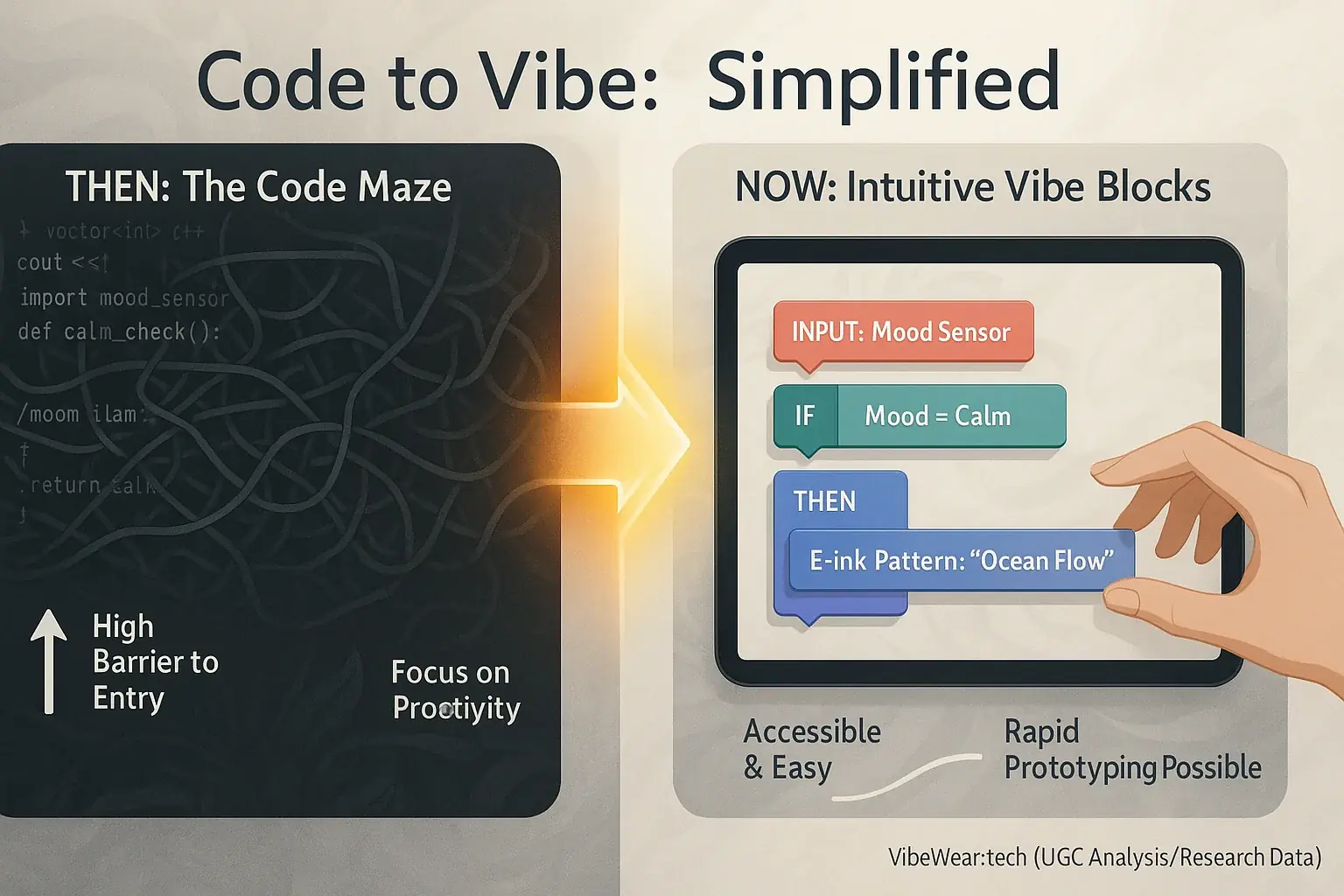
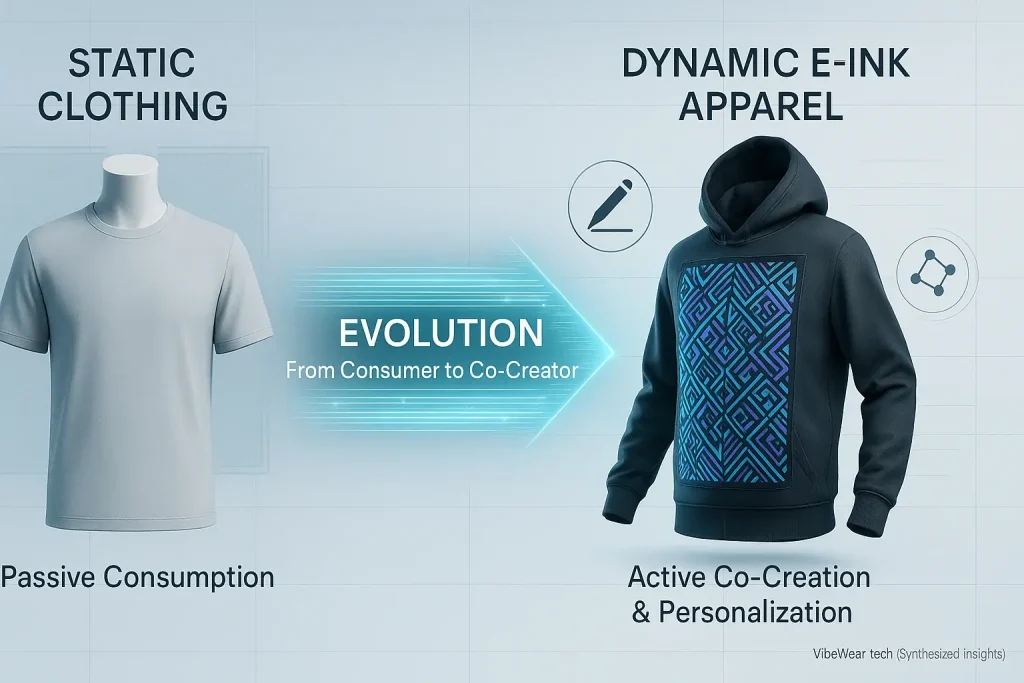
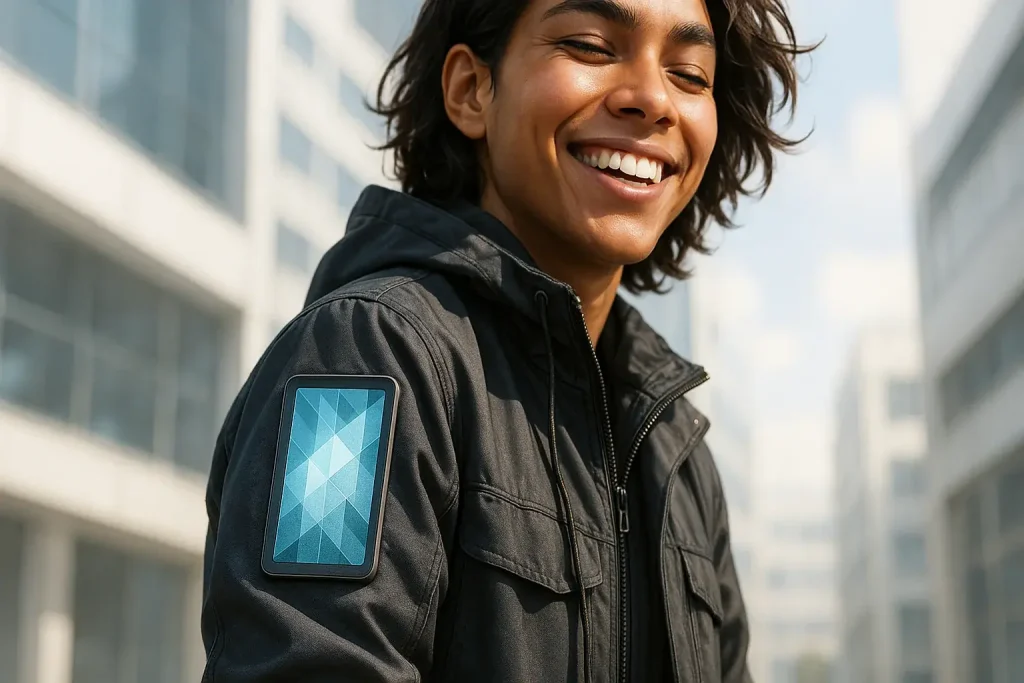
Ever dreamed of designing your own mood-adaptive E-Ink outfit? Felt intimidated by complex code? You are not alone. The exciting news? No-code and low-code platforms now change that landscape, opening VibeWear creation to everyone and bridging vision with execution.
For years, smart wearable creation meant deep C++ or Python dives, wrestling syntax, and debugging code. This sidelined brilliant designers; many enthusiasts simply did not speak 'programmer'. No-code tools transform this, letting creators focus on design and pure expression. Imagine a fashion student, ideas bursting, now bringing dynamic patterns alive with drag-and-drop logic, not months of coding.
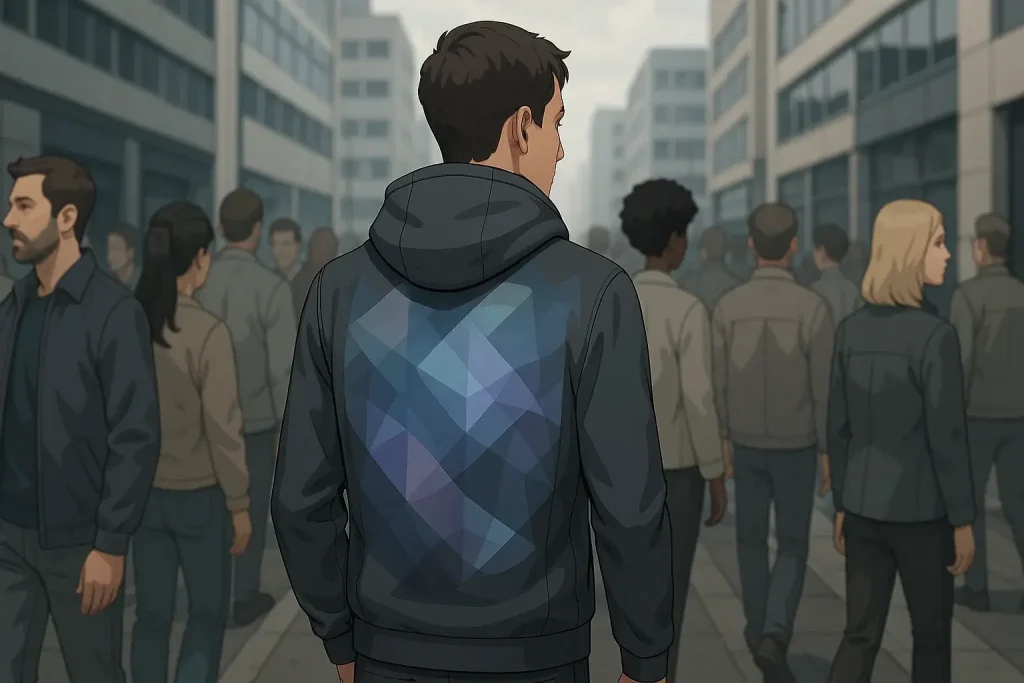
This shift means more diverse, innovative, truly personal VibeWear pieces will emerge. More creators building accelerates VibeWear innovation. The entire ecosystem thrives. This is fashion tech democratization, empowering your unique expression.
Drag, Drop, Vibe: Exploring Visual & Block-Based Programming for Wearables
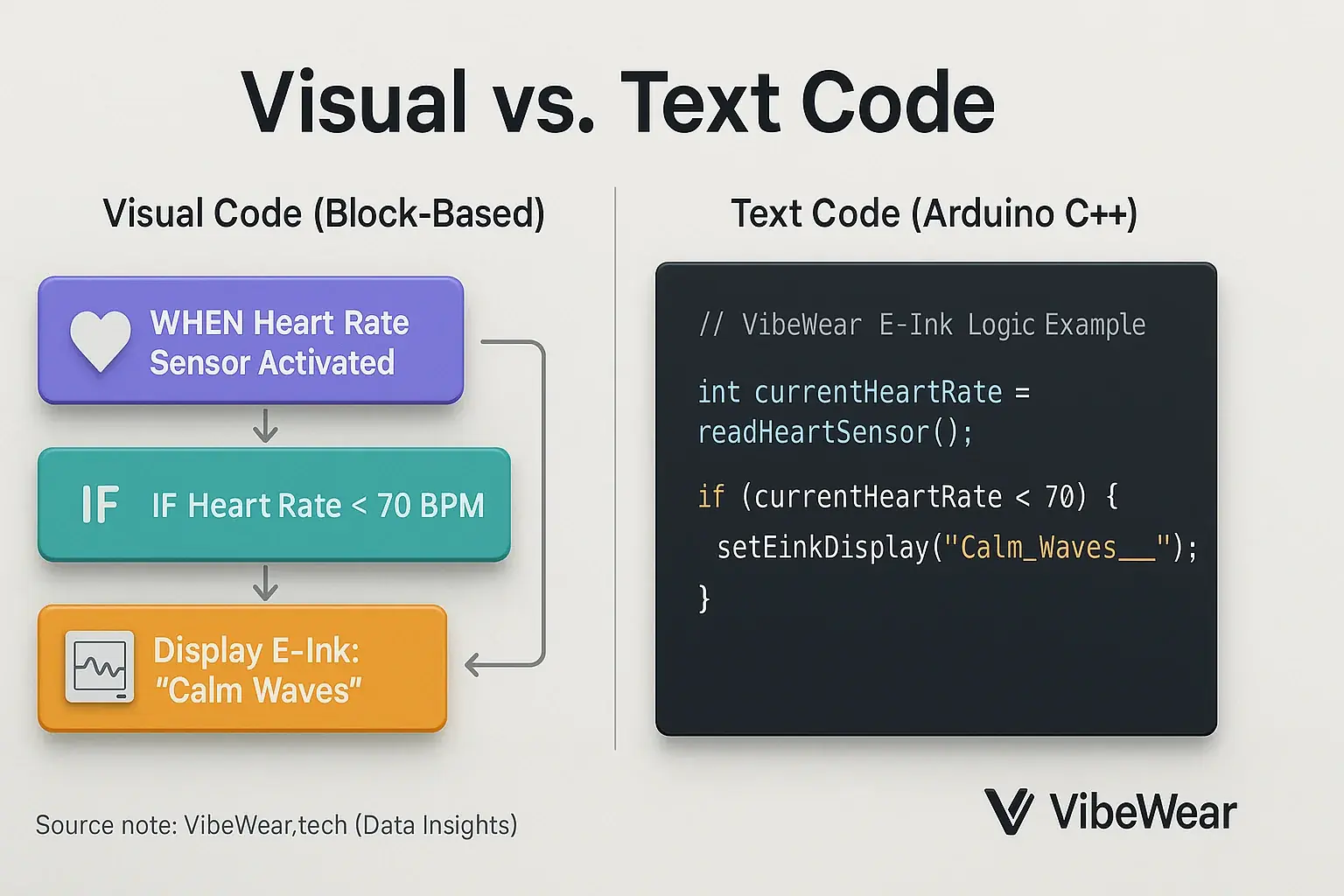
Forget cryptic text. Visual programming uses graphical interfaces. You connect pre-built 'blocks' or elements, creating logic. It’s like digital LEGOs; each block represents a command or function. The intuitive nature is a huge plus.
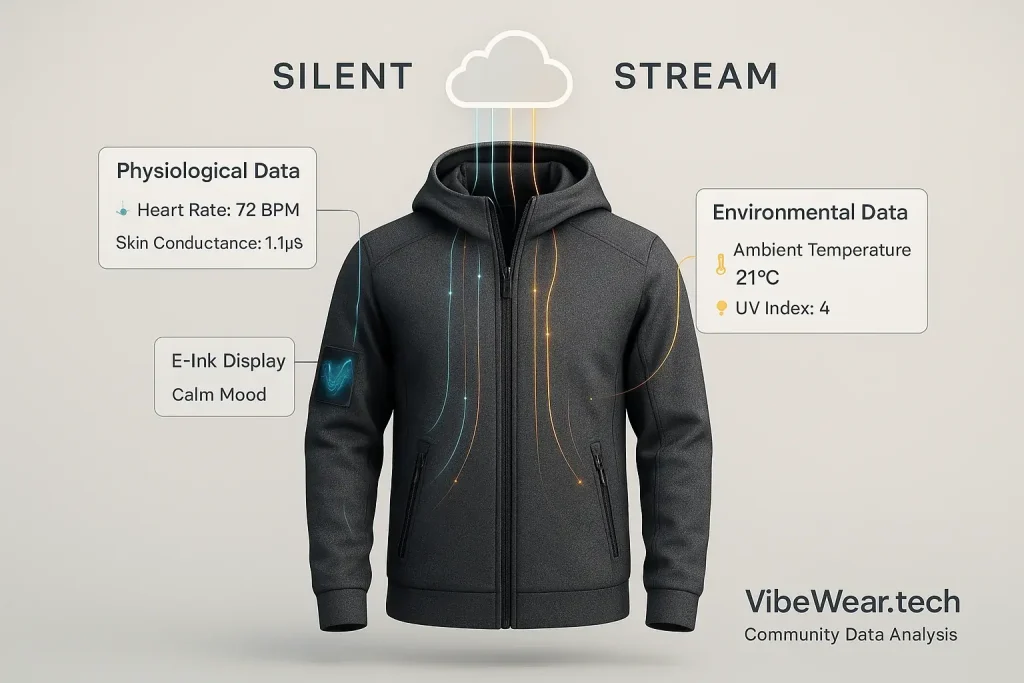
Many no-code hardware platforms use block-based coding, inspired by tools like Scratch or Blockly. For VibeWear, you might drag a 'read sensor data' block, connect it to an 'if mood is happy' block, then link that to a 'display happy pattern' block on your E-Ink screen. A common scenario helps: a maker wants their shirt to glow blue when their heart rate drops. With wearable coding tools, they visually connect the heart rate sensor input to a 'threshold' block, then to a 'set E-Ink color' block. No complex syntax needed!
This visual method drastically reduces syntax errors. The learning curve becomes much smoother for aspiring VibeWear creators. You can focus on the 'what' and 'why' of your VibeWear's interactive behavior. This approach means sidestepping the dense 'how' of traditional text-based coding, making complex tech feel more accessible.
The 'No-Code' Reality Check: Where Visual Tools Hit Their Limits (for Complex VibeWear)
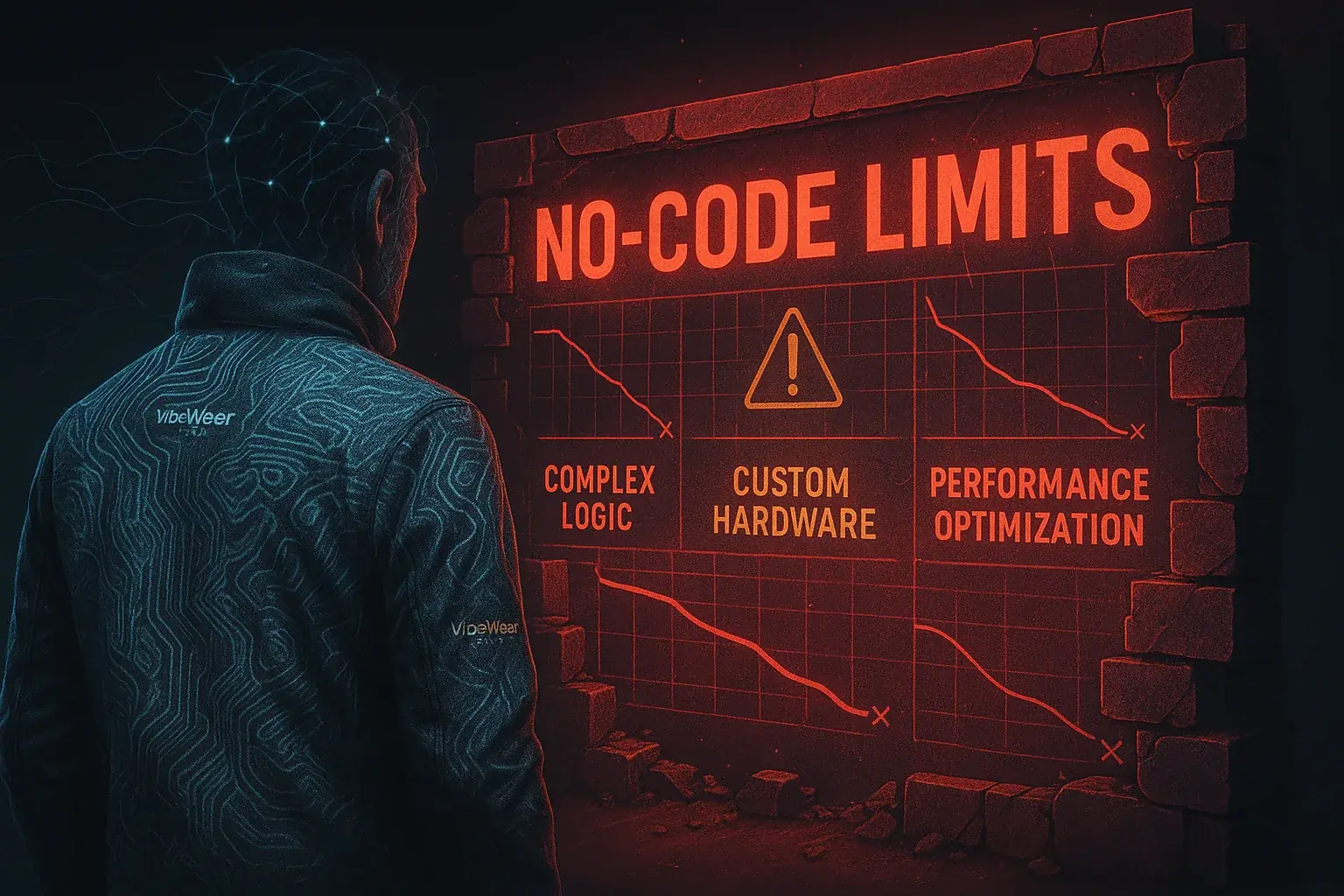
No-code platforms offer incredible accessibility. Understanding their current limitations is crucial. They are not a magic bullet for every VibeWear dream. This becomes clear when projects grow highly complex. Or when they demand specific, niche functionalities. The 'no-code' promise, VibeWear's investigation reveals, has clear boundaries.
For instance, your VibeWear might need to interpret extremely nuanced biometric data. It could perform real-time complex calculations. Or it might integrate with very custom, bleeding-edge hardware. Traditional coding often becomes unavoidable in these scenarios. No-code platforms, by design, offer pre-defined blocks. These blocks can limit true innovation at the deepest technical level. A designer once envisioned an E-Ink jacket. It would display intricate, generative art patterns. These patterns were based on precise brainwave activity. They needed to react in milliseconds. This level of real-time algorithmic complexity and custom sensor integration quickly pushed beyond most visual programming tools.
Another 'unspoken truth' involves potential vendor lock-in. You are often tied to the ecosystem of your chosen no-code platform. This restricts flexibility. A genuine concern for creators. Plus, performance optimization can be a significant challenge. Making your VibeWear super fast and energy-efficient is harder without direct code control. No-code tools may not offer that fine-grained power for complex projects.
The Horizon of Accessibility: Future Trends & Resources for No-Code VibeWear
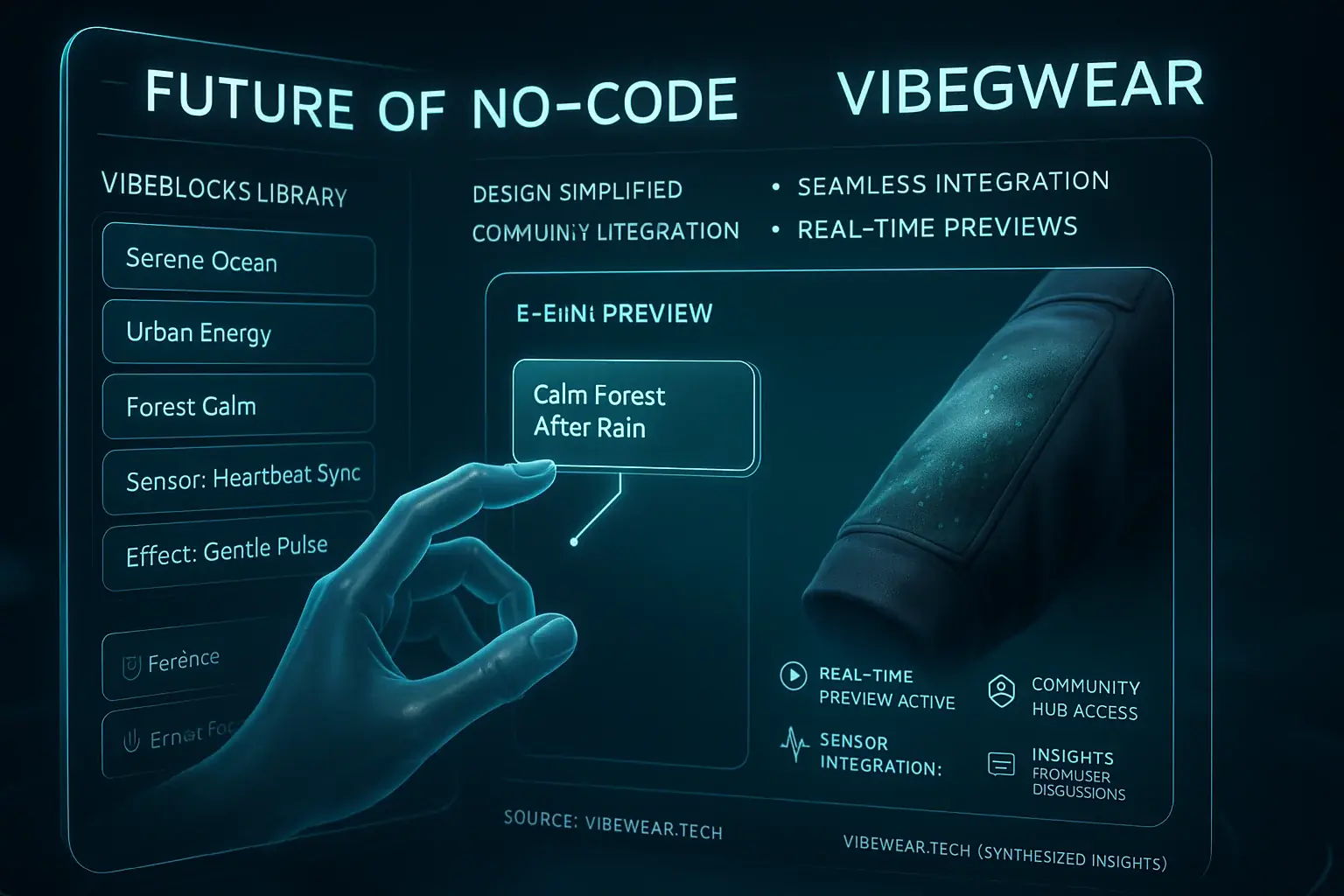
No-code VibeWear's landscape is not static. It evolves with astonishing speed. VibeWear's research indicates platforms becoming vastly more powerful. These will integrate direct feedback on design from user communities. Seamless connections to advanced sensors and E-Ink displays are on the horizon. This relentless improvement charts the course.
What's next? Expect analytical tools suggesting mood-linked patterns from your own data. Picture a platform automatically fine-tuning your E-Ink designs for peak energy efficiency. Community-driven libraries of pre-built 'VibeBlocks' will almost certainly explode. Creators then share and remix complex functionalities effortlessly. A maker might simply state their desired 'vibe'. For example: 'calm forest after rain'. Our research into user feedback shows a no-code tool could then generate the E-Ink patterns. It would also create responsive logic almost instantly. This is the 'sudden practical moment' VibeWear sees emerging.
Eager to start? Many online tutorials already offer solid entry points. They teach visual programming fundamentals. These resources pave the way, even if not VibeWear-specific today. VibeWear foresees platforms like a conceptual 'VibeBlocks.io' emerging. Or perhaps a 'WearableCodeAcademy' will become the go-to for aspiring creators. This democratized future liberates VibeWear. It will not remain exclusive to tech giants. Nor just for seasoned coders. VibeWear is set to become a canvas for true collective creativity. Millions of unique 'vibes' will fuel this revolution.